
Contract packaging and private labeling get used almost interchangeably in day-to-day conversation, and the two often show up on the same quote. They are related, and a single project can involve both, but they are not the same service. Understanding where one ends and the other begins helps you scope work correctly and ask a partner for exactly what you need.
What contract packaging covers
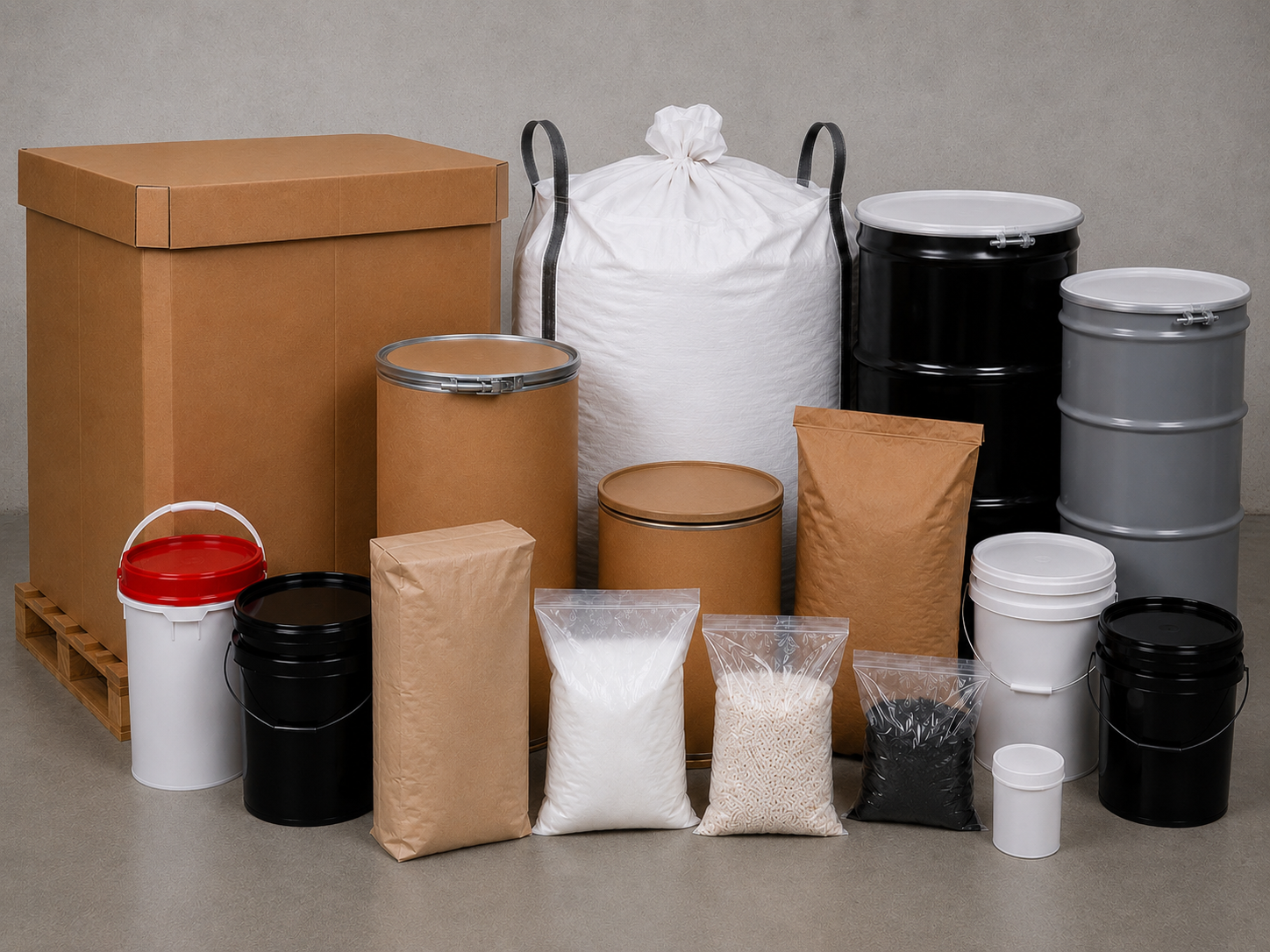
Contract packaging, sometimes called co-packing, is the work of moving a bulk product into finished retail or commercial containers. You bring the product, typically in drums, super sacks, totes, or bulk trucks, and the packager fills it into the format your supply chain actually ships in. That might be small retail bottles, bags, pails, or drums, at whatever weights and counts you specify. The chemistry of the product does not change during contract packaging. The focus is on accurate filling, correct labeling, and getting the finished units ready for distribution.
What private labeling covers
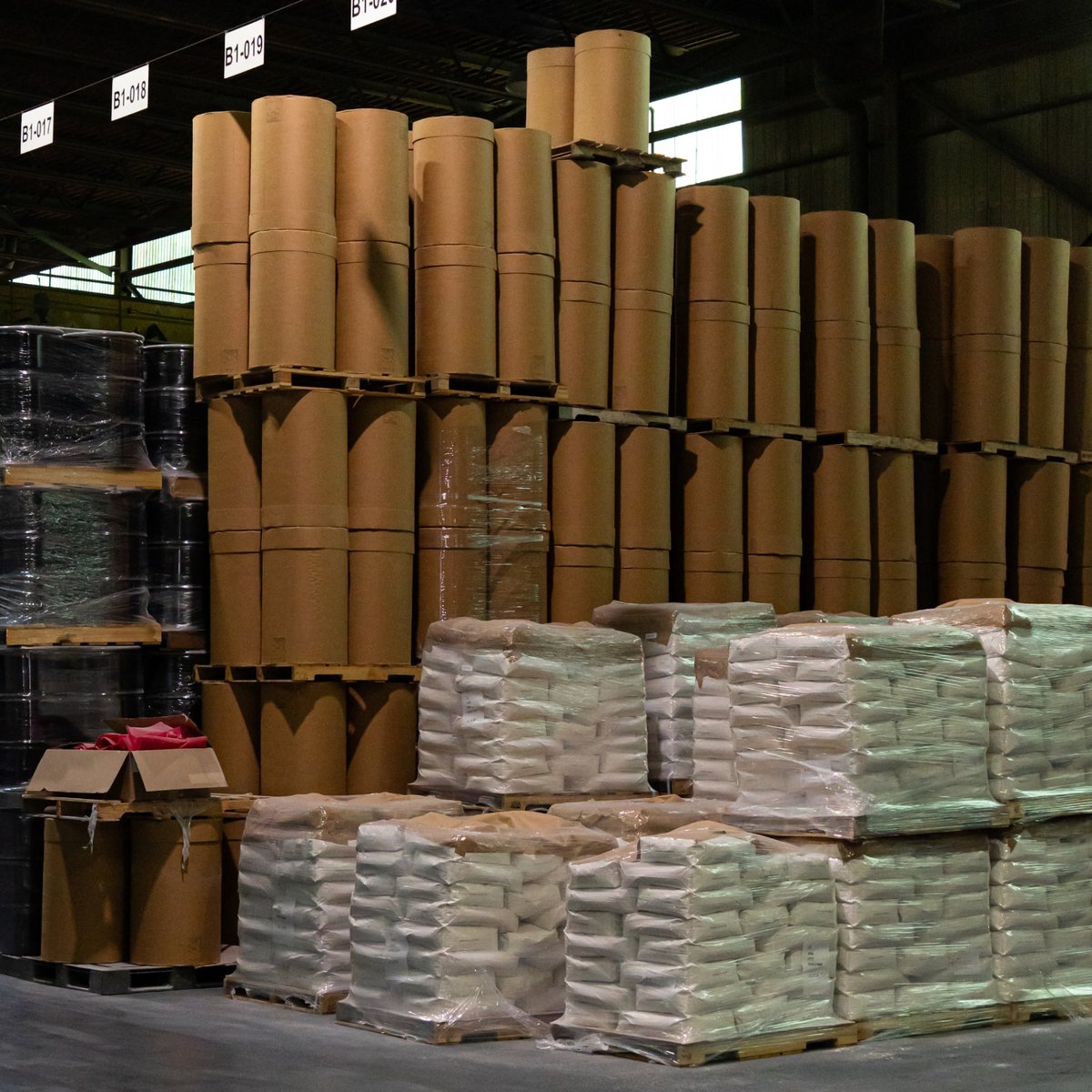
Private labeling is the practice of applying a customer's brand and label to a product, so the finished container carries that customer's identity rather than the manufacturer's. It is common in distribution, where a distributor wants a consistent product line under their own name, and in retail, where an established brand wants to add a category without setting up its own production. Private labeling is really a labeling and branding decision layered on top of a packaging or manufacturing step, not a separate physical process.
Where the two overlap
The reason the terms blur together is that private labeling almost always happens during a packaging run. When a partner fills your product into finished containers and puts your brand on the label, that single project is both contract packaging and private labeling at the same time. You are outsourcing the packaging work, and you are also making a branding choice about whose name goes on the outside.
You can also have one without the other. Contract packaging without private labeling is common when the containers ship unbranded, under generic labeling, or under the manufacturer's own name for internal or wholesale use. Private labeling without a fresh packaging run is less common in chemicals, but can happen when finished stock is relabeled or rebranded for a new market.
Typical use cases for each
A few situations point clearly to one or the other:
- Bulk-to-retail contract packaging. You receive product in bulk and need it split into drums, pails, bags, or bottles, with your own SKU information on standard labels. This is contract packaging.
- Distributor brand extension. A distributor wants a chemical it currently resells to appear on shelves under its own brand. That is private labeling, delivered as part of a contract packaging run.
- Product line launch. A company wants to launch a branded chemical line without building packaging capacity. That project needs both, private labeling combined with contract packaging.
- Internal or wholesale packaging. Product is packaged for use inside a company's own operations or sold in unbranded formats. That is contract packaging without private labeling.
If your project could go either way, it usually helps to describe the outcome first, the containers, quantities, and whose brand goes on them, and let the scope follow. Our private labeling and contract packaging services page shows how the two fit together in one facility.
Need help with your chemical processing project?
Talk to our team today. Most projects start within 48 hours of receiving materials.
Related Articles
How Chemical Toll Manufacturing Is Priced: Understanding Toll Fees
Toll manufacturing pricing can look opaque at first. Here is what actually drives a toll fee and how to compare quotes fairly.
Industry InsightsChemical Toll Manufacturing: Services, Benefits & How It Works
What is chemical toll manufacturing? Learn how toll manufacturing works, how it differs from contract manufacturing, what belongs in a toll agreement, and how to choose a partner.