
Insights & Resources
Expert perspectives on chemical toll processing, packaging, compliance, and industry trends.
How Chemical Toll Manufacturing Is Priced: Understanding Toll Fees
Toll manufacturing pricing can look opaque at first. Here is what actually drives a toll fee and how to compare quotes fairly.
Dry Blending vs. Liquid Blending: Which Does Your Product Need?
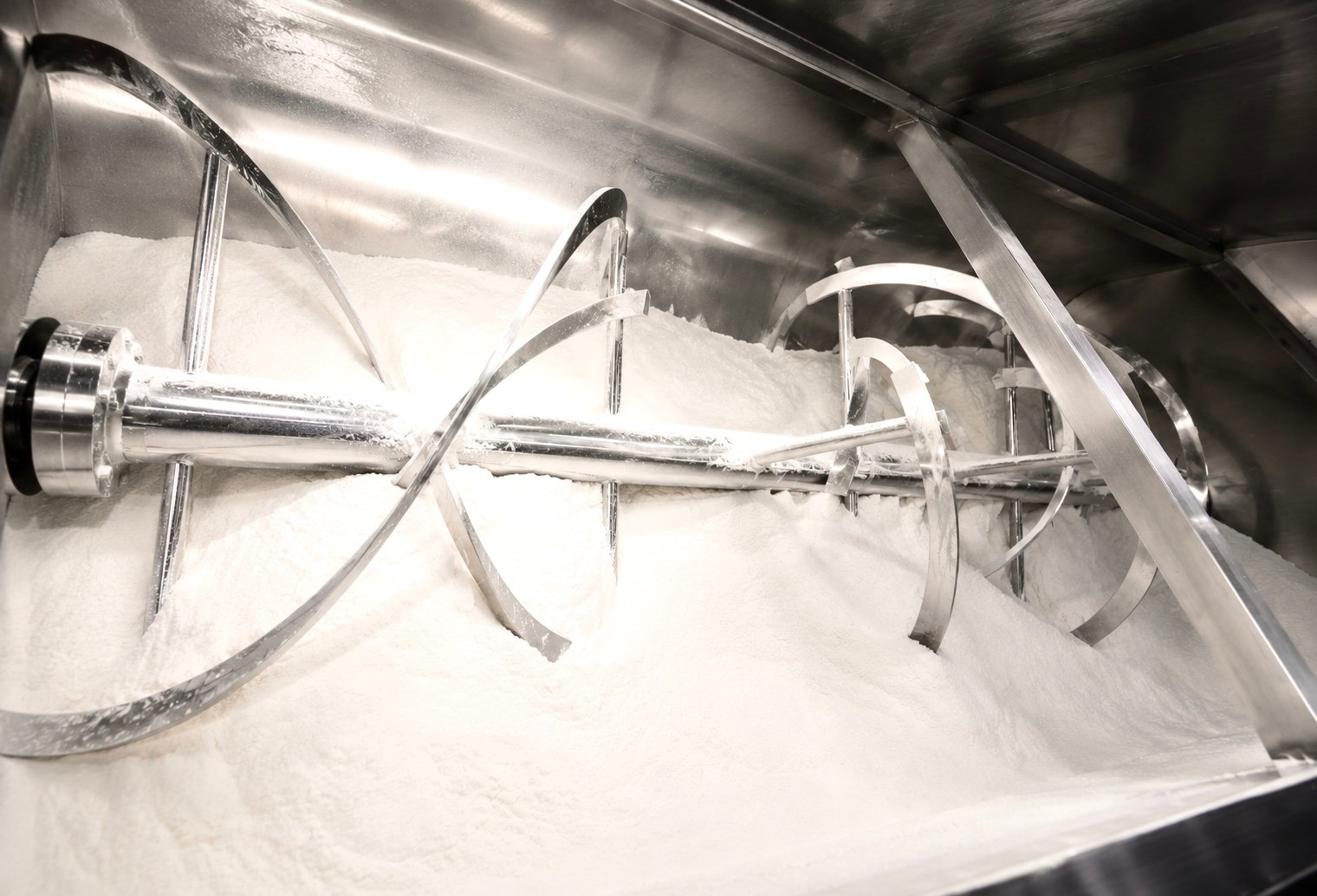
Dry and liquid blending solve different problems. Here is how to tell which process fits your material and specifications.
Contract Packaging vs. Private Labeling for Chemicals: What Is the Difference?
Contract packaging and private labeling overlap but are not the same. Here is what each covers and when you need which.
Chemical Toll Manufacturing: Services, Benefits & How It Works
What is chemical toll manufacturing? Learn how toll manufacturing works, how it differs from contract manufacturing, what belongs in a toll agreement, and how to choose a partner.
Chemical Toll Processing: The Complete Guide to Services & Capabilities
A complete guide to chemical toll processing: what it is, when to outsource, the core services (blending, milling, screening, repackaging), and how to choose the right partner.
What Is Chemical Toll Processing and Why Does It Matter?
Toll processing allows chemical companies to outsource manufacturing steps without investing in costly equipment. Learn how it works and when it makes sense.
5 Things to Look for in a Chemical Packaging Partner
Not all packaging providers are created equal. Here are the five critical factors chemical companies should evaluate before choosing a toll packaging partner.
Deagglomeration (Delumping): How to Restore Free-Flowing Powder from Clumped Material
Clumped or agglomerated powders can halt production lines. Learn how deagglomeration services restore material quality without waste.
Why the Midwest Is the Ideal Hub for Chemical Toll Processing
Geographic advantages, logistics infrastructure, and a skilled workforce make Ohio and the Midwest a strategic choice for chemical processing operations.
Quality Systems in Chemical Toll Processing: What You Need to Know
For chemical applications demanding consistency and traceability, strong quality systems aren't optional. Here's what to look for in a quality-focused toll processor.