
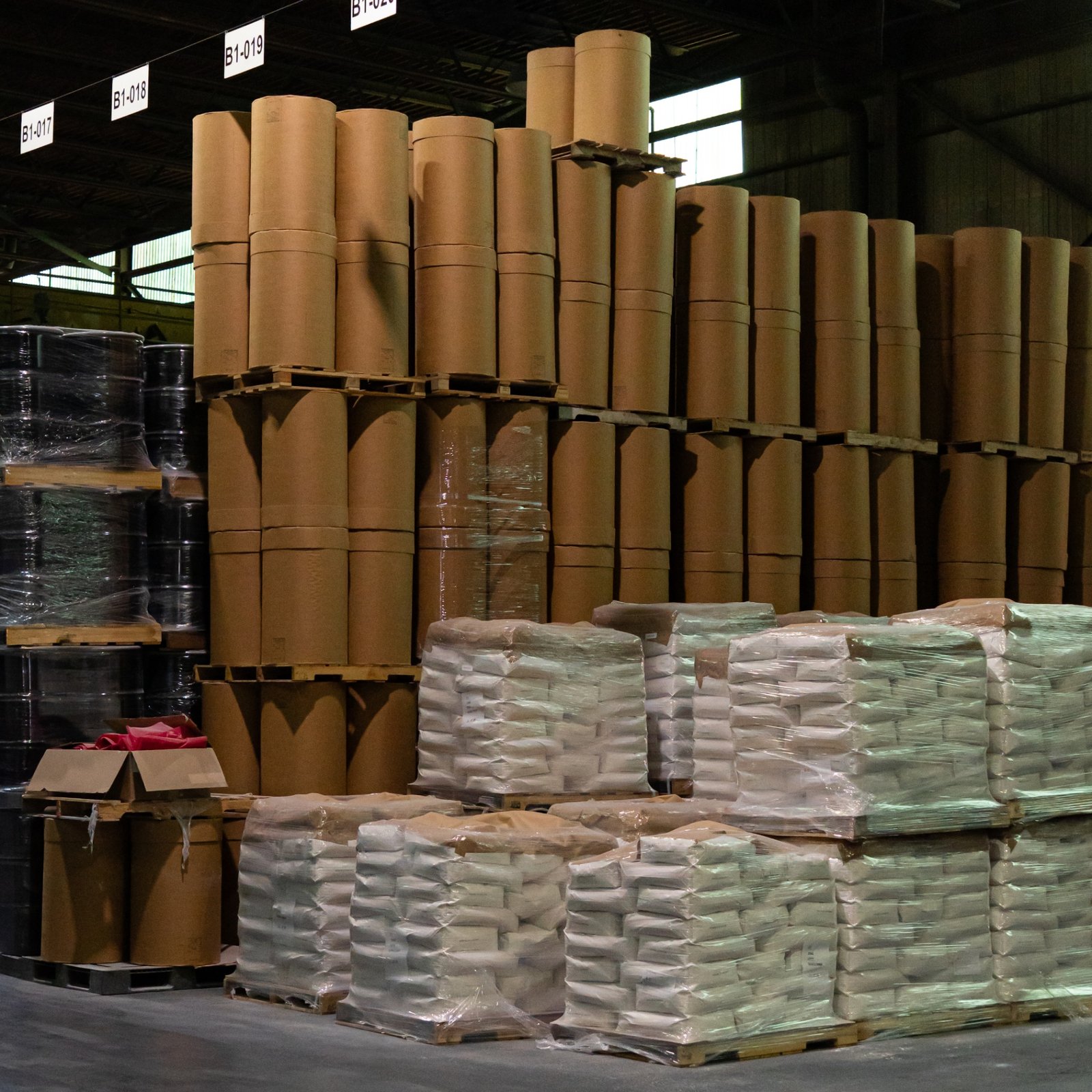
Chemical toll manufacturing is a simple idea with real strategic value: you supply the raw materials and the formula, and a specialized manufacturer turns them into a finished product using their equipment, facility, and expertise — for a fee. You get manufacturing capacity and capability without the capital, headcount, or floor space it would take to build them yourself. This guide explains what toll manufacturing is, how it differs from contract manufacturing, what belongs in a toll agreement, and how to pick the right partner.
What is toll manufacturing?
Toll manufacturing (also called toll processing or, for mixing work, toll blending) is an arrangement where a customer pays a manufacturer a "toll" to perform specific production steps on materials the customer provides. The customer owns the inputs and the intellectual property; the manufacturer provides the means of production.
The defining feature is who supplies the raw materials: in toll manufacturing, the customer does. That single fact shapes everything else about the relationship — cost structure, IP control, and how much of your supply chain you keep in your own hands. For a deeper look at the specific services involved, see our complete guide to chemical toll processing.
Toll manufacturing vs. contract manufacturing
The two terms are often used interchangeably, but there's a meaningful difference:
- Toll manufacturing: You provide the raw materials and formulation. The manufacturer processes them and returns a finished product. You retain control of sourcing and IP.
- Contract manufacturing: The manufacturer sources the raw materials and produces the finished product, often managing the formulation and supply chain end to end.
Toll manufacturing makes sense when you already have a reliable, possibly proprietary, supply of raw material — or when controlling the inputs is central to your quality or IP strategy. Contract manufacturing makes sense when you'd rather hand off sourcing entirely. Many companies use a mix, and our post on understanding chemical toll processing walks through how the models compare.
What a chemical toll manufacturer actually does
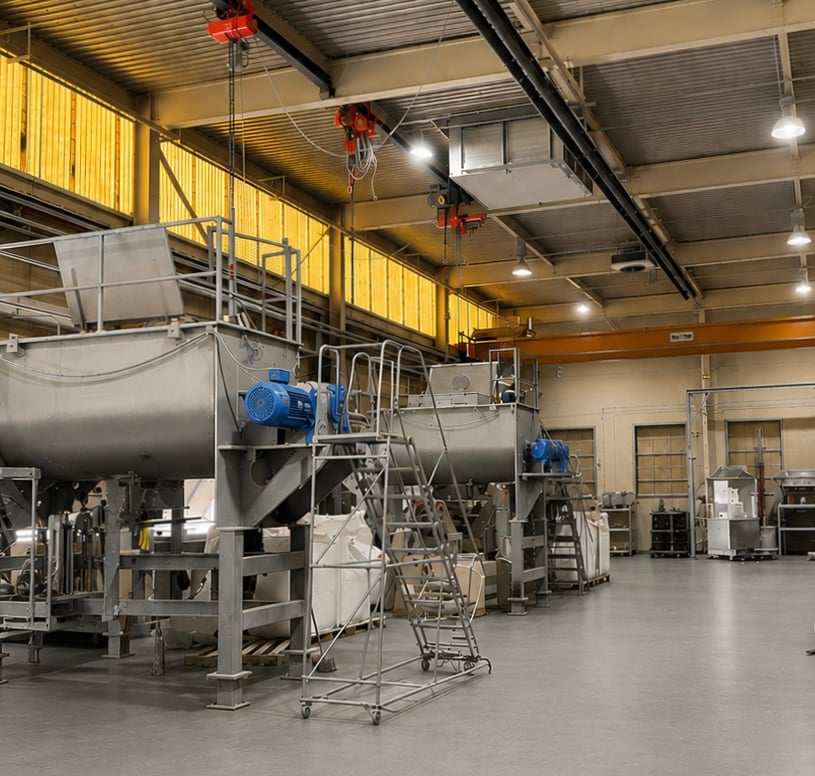
A full-service chemical toll manufacturer can take your material through several production steps under one roof — blending and compounding, particle size reduction, screening, deagglomeration, and repackaging or private-label finishing. Doing it all in one facility means fewer hand-offs, less freight, and less contamination risk than splitting the work across vendors.
Common toll manufacturing work includes dry and liquid blending to produce homogeneous mixes, compounding for multi-component custom formulations, and private-label packaging to finish product under your brand. You can see the full range on our services overview; the toll-processing guide above breaks each service down in detail.
When to use a chemical toll manufacturer
Manufacturers and distributors turn to a toll partner for a few consistent reasons:
- Add capacity without capital expense. Outsourcing converts a large, fixed equipment investment into a predictable per-project cost. You scale up for a campaign and back down afterward — no idle assets.
- Access capability you don't own. Specialized blending, milling, or screening equipment is expensive to buy and maintain for a single product line. A toll manufacturer already has it.
- Protect intellectual property. Because you supply the formula and materials, you keep control of what matters most — useful for proprietary or sensitive products.
- Smooth out demand. Seasonal spikes, new-product launches, and one-off campaigns are easier to absorb with a flexible external partner than by adding a shift or a building.
- Move faster. A manufacturer with the line already in place can often start and finish work faster than building the capability in-house.
What goes into a toll manufacturing agreement
A clear toll manufacturing agreement protects both sides and keeps projects predictable. The essentials usually include:
- Scope of work — the exact processing steps, specifications, and acceptance criteria.
- Material responsibilities — who supplies what, delivery terms, and how incoming material is inspected.
- Quality and documentation — QC protocols, lot control, traceability, and record-keeping.
- Pricing and the toll fee — per-unit or per-batch pricing, minimums, and handling of yield loss.
- Turnaround and scheduling — lead times, rush terms, and capacity commitments.
- Liability, confidentiality, and IP — protecting your formulation and assigning responsibility clearly.
Getting these right up front prevents the most common disputes and makes the relationship easy to scale.
How to choose a chemical toll manufacturer
Most toll manufacturers have equipment; the real differences show up in execution. When you evaluate partners, weigh:
- Breadth of capability — can one facility handle every step your product needs?
- Scale flexibility — from small precision batches to full bulk campaigns, without switching vendors.
- Turnaround and responsiveness — realistic lead times, genuine rush options, and fast quoting.
- Quality systems — documented QC, lot traceability, and consistent results batch after batch.
- Material expertise — hands-on experience with your specific chemistry, whether it's abrasive, hygroscopic, hazardous, or sensitive.
Toll manufacturing at U.S. Chemical Services
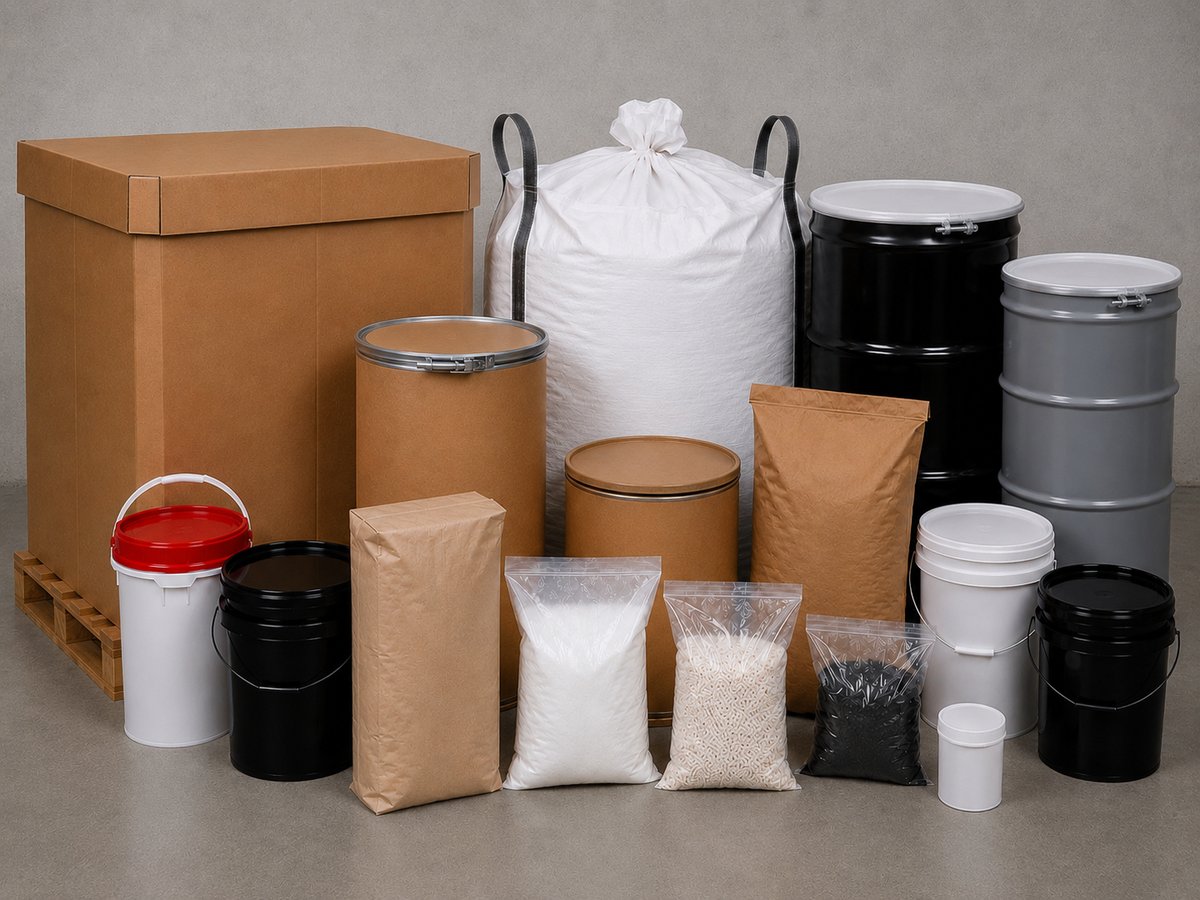
U.S. Chemical Services is a full-service chemical toll manufacturer based in Elyria, Ohio, serving manufacturers, distributors, and end users across North America. What we bring:
- 100+ years of combined chemical industry experience across our leadership team.
- A 100,000+ sq ft facility handling everything from tenth-of-a-gram precision batches to 40,000 lb bulk loads.
- 3–5 day standard turnaround, with rush options and same-day quotes.
- End-to-end capability — blending, compounding, milling, screening, deagglomeration, repackaging, and private labeling under one roof.
- Material expertise across specialty chemicals, pigments, additives, flame retardants, agricultural chemicals, battery materials, and more — see all the industries we serve.
We do what we say we're going to do. Plain and simple. Call (440) 529-8868 or request a quote to talk through your next project.
Frequently asked questions
What is the difference between toll manufacturing and contract manufacturing?
In toll manufacturing, the customer supplies the raw materials and formula and pays a fee for the manufacturer's processing services. In contract manufacturing, the manufacturer typically sources the raw materials and produces the finished product. Toll manufacturing gives the customer more control over inputs and intellectual property.
Is toll manufacturing the same as toll processing?
The terms are used interchangeably. Both describe paying a specialized facility to perform production steps on materials you supply. 'Toll blending' refers specifically to mixing work within that model.
What is a toll manufacturing agreement?
It's the contract that defines the arrangement — scope of work, material responsibilities, quality and documentation requirements, pricing and the toll fee, turnaround, and terms covering liability, confidentiality, and intellectual property.
What are the benefits of toll manufacturing?
It adds manufacturing capacity and capability without capital expense, protects your formulation and IP, helps absorb demand swings, and is often faster than building the capability in-house.
What can a chemical toll manufacturer produce?
Custom dry and liquid blends, compounded multi-component formulations, precisely milled and screened powders, deagglomerated material, and finished, privately labeled products — across a wide range of chemistries.
Need help with your chemical processing project?
Talk to our team today. Most projects start within 48 hours of receiving materials.
Related Articles
How Chemical Toll Manufacturing Is Priced: Understanding Toll Fees
Toll manufacturing pricing can look opaque at first. Here is what actually drives a toll fee and how to compare quotes fairly.
Industry InsightsContract Packaging vs. Private Labeling for Chemicals: What Is the Difference?
Contract packaging and private labeling overlap but are not the same. Here is what each covers and when you need which.