
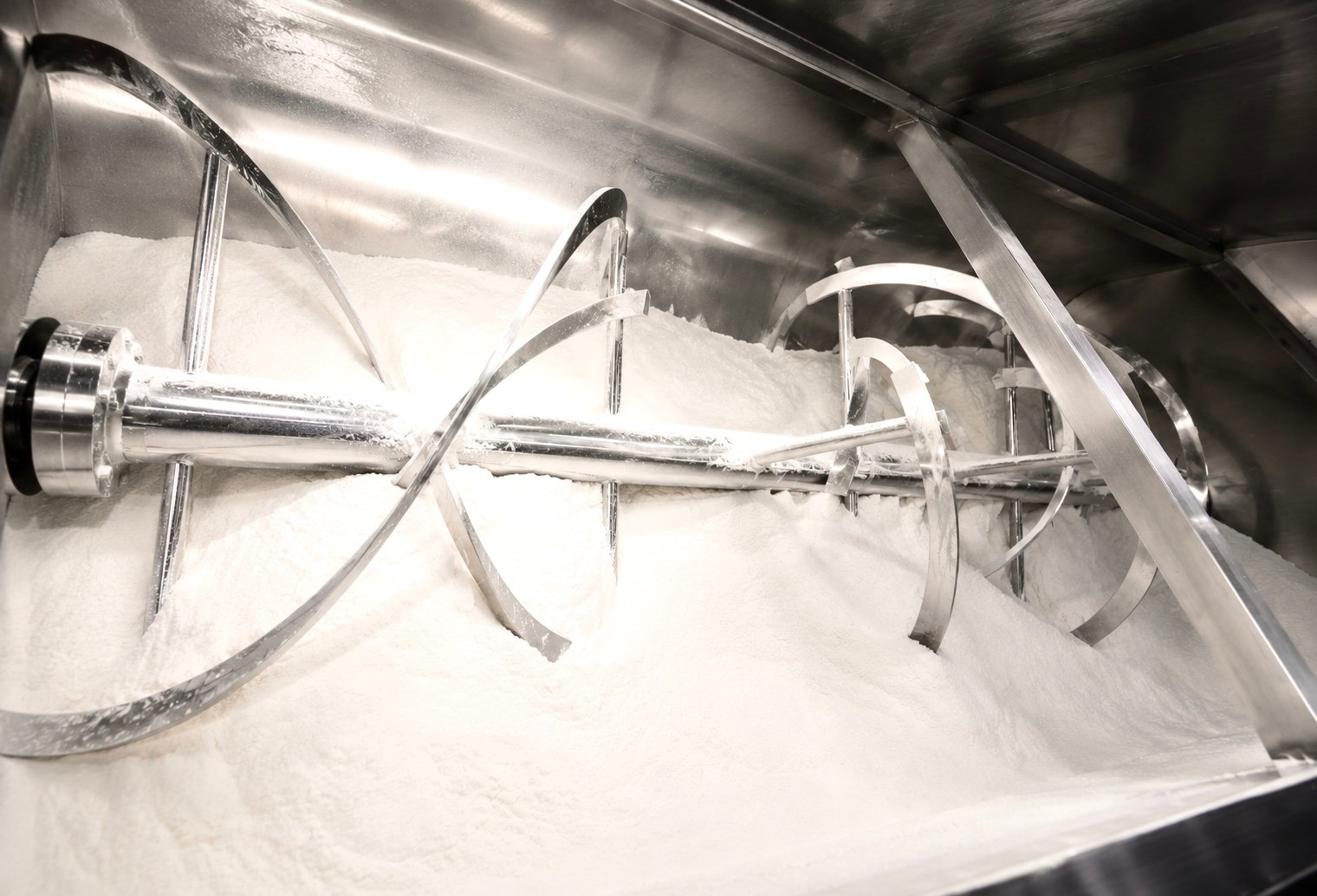
Chemical toll processing lets manufacturers, distributors, and end users outsource specific production steps — blending, milling, screening, repackaging, and more — to a specialized facility, without buying the equipment or building the capacity in-house. You ship the material, the toll processor performs the work to your specification, and you get back a finished, ready-to-ship product. This guide explains what toll processing covers, when it makes sense, the core services involved, and how to choose a partner you can trust with your material.
What is chemical toll processing?
In a toll processing arrangement, you own the material and the formula; the processor provides the equipment, labor, facility, and expertise. You pay a "toll" — a fee for the service — rather than buying a finished product. That distinction matters: in toll processing the customer supplies the raw materials, whereas in contract manufacturing the manufacturer typically sources them too. (If you're weighing the two models, our post on understanding chemical toll processing goes deeper on the differences.)
Toll processing is sometimes called toll manufacturing, toll blending, or contract processing depending on the specific work involved. The common thread is the same: a flexible, on-demand extension of your own production line.
When does toll processing make sense?
Companies turn to a toll processor in a handful of recurring situations:
- Capacity overflow. Demand spikes, a line goes down, or a large campaign would crowd out your core production. A toll partner absorbs the overflow without you adding a shift or a building.
- Capability gaps. You need jet milling, cryogenic grinding, or precision screening but don't own the equipment — and buying it for one product line can't be justified.
- A problem with existing material. A shipment arrives clumped, contaminated, off-spec, or in the wrong package. Rather than write it off, you send it out to be remediated and recovered.
- Avoiding capital expense. Outsourcing converts a large, fixed equipment investment into a predictable per-project cost.
- Speed. A specialized processor with the equipment already in place can often turn work faster than standing up the capability internally.
If any of these sound familiar, the next question is which specific services you need.
The core chemical toll processing services
Most toll processing work falls into a handful of categories. A full-service processor handles them under one roof, which means a single material can be screened, milled, blended, and repackaged without leaving the facility — and without the cost and risk of shipping it between vendors. You can see the full menu on our services overview.
Chemical repackaging
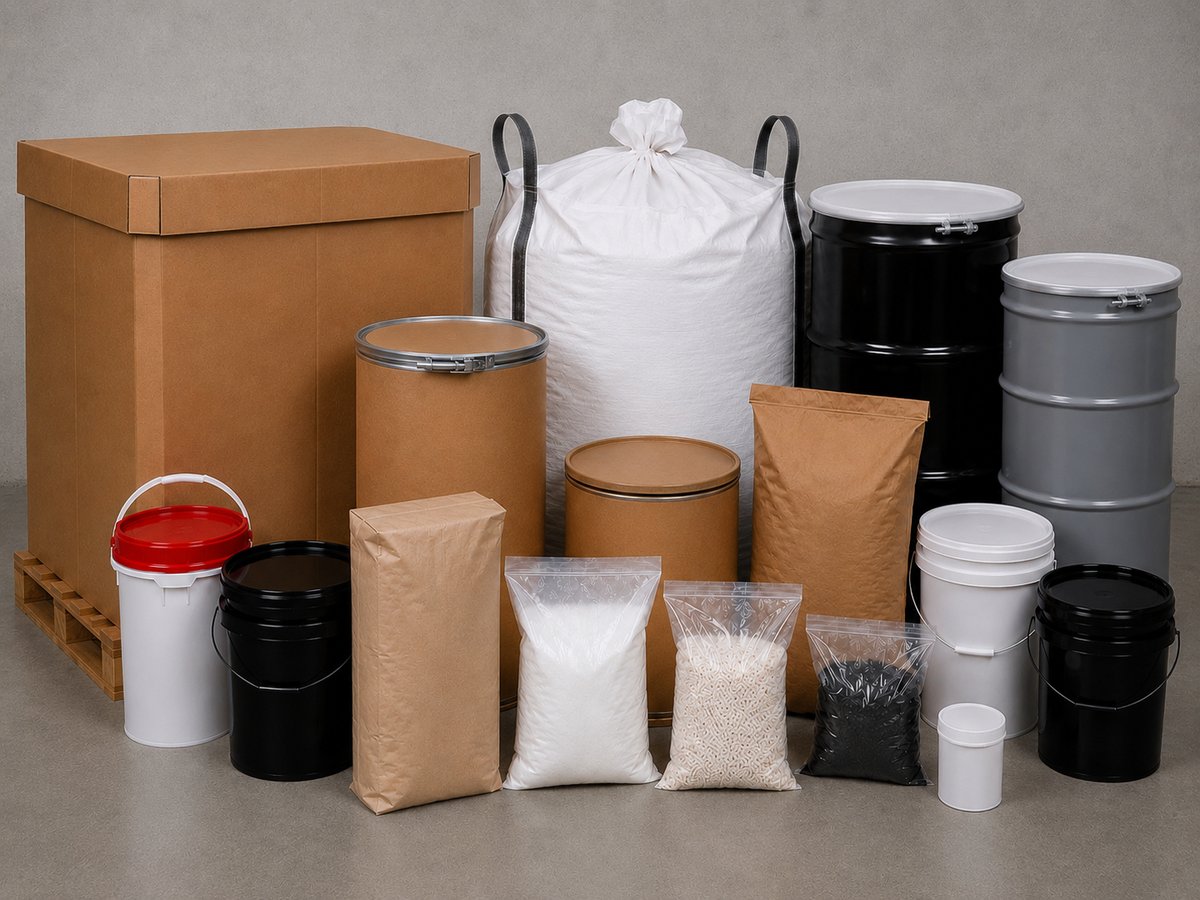
Chemical repackaging moves material from one container and weight to another — gram-scale bags with tenth-of-a-gram accuracy up to 40,000 lb bulk loads. It's the most common toll service, used when product arrives in the wrong format for the next step in your supply chain: bulk to retail, super sacks to drums, totes to pails, or anything in between.
Dry & liquid blending
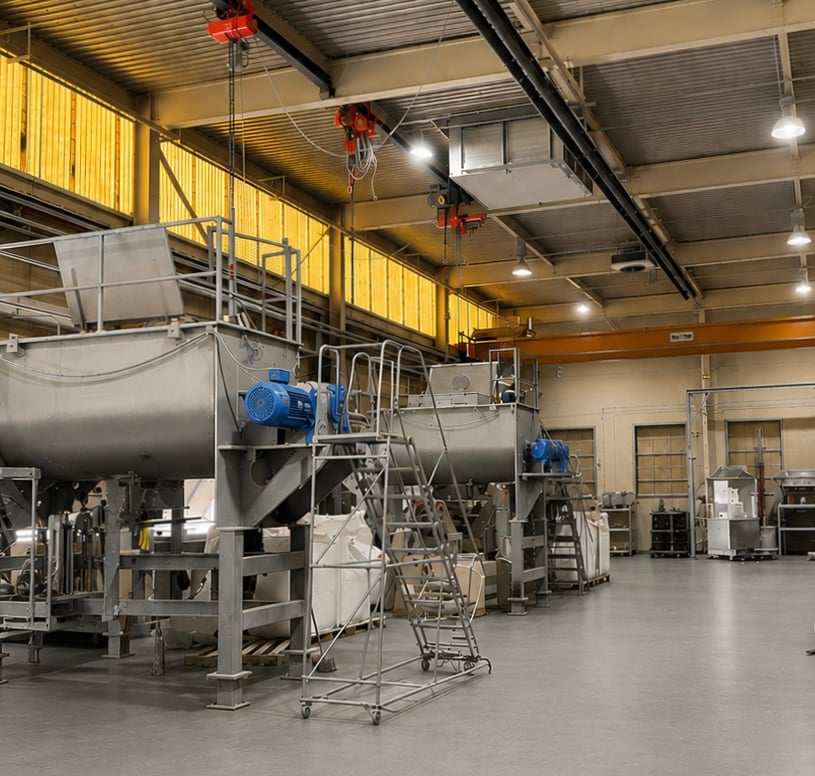
Dry and liquid blending produces homogeneous mixes from multiple inputs — dry powder blends, liquid dispersions, and proprietary formulations at scale. V-blenders and ribbon blenders are calibrated to your recipe so every batch comes out consistent. Blending is where toll processing most often adds real value, because mix consistency is hard to achieve without the right equipment and experience.
Screening & classification
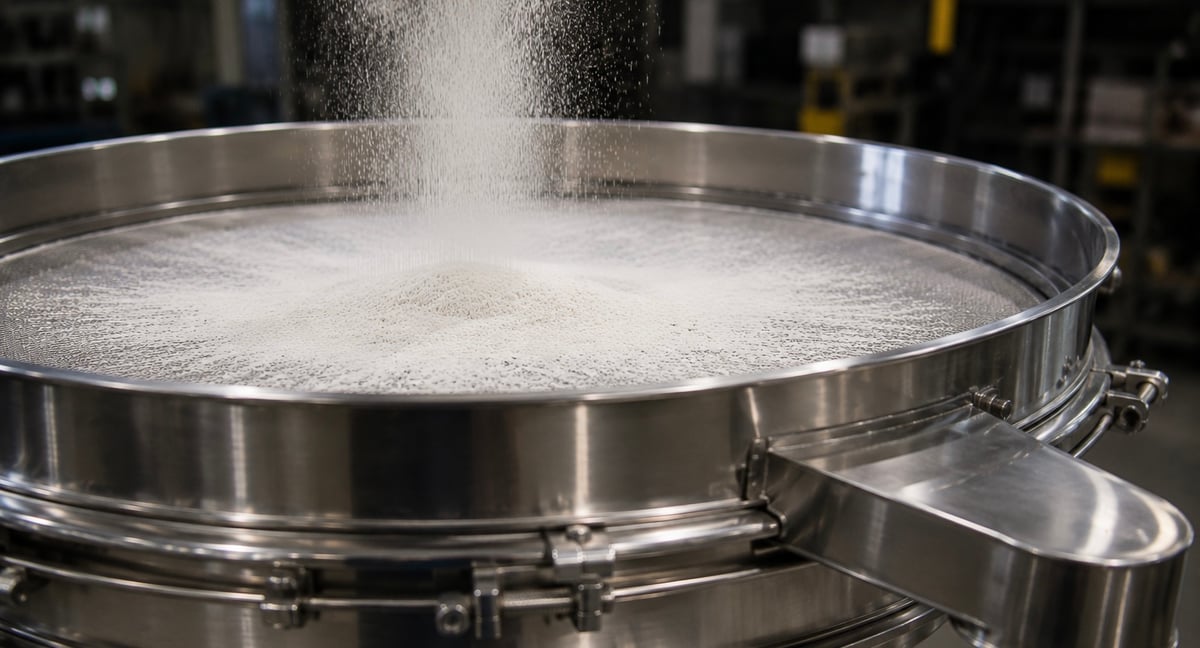
Screening and classification separates particles by size and removes contaminants. This is the step that catches oversized agglomerates, foreign material, and off-spec fractions before they reach your customer. Precise particle separation is critical in industries like pigments, where a single contaminant can ruin a finished batch.
Deagglomeration (delumping)
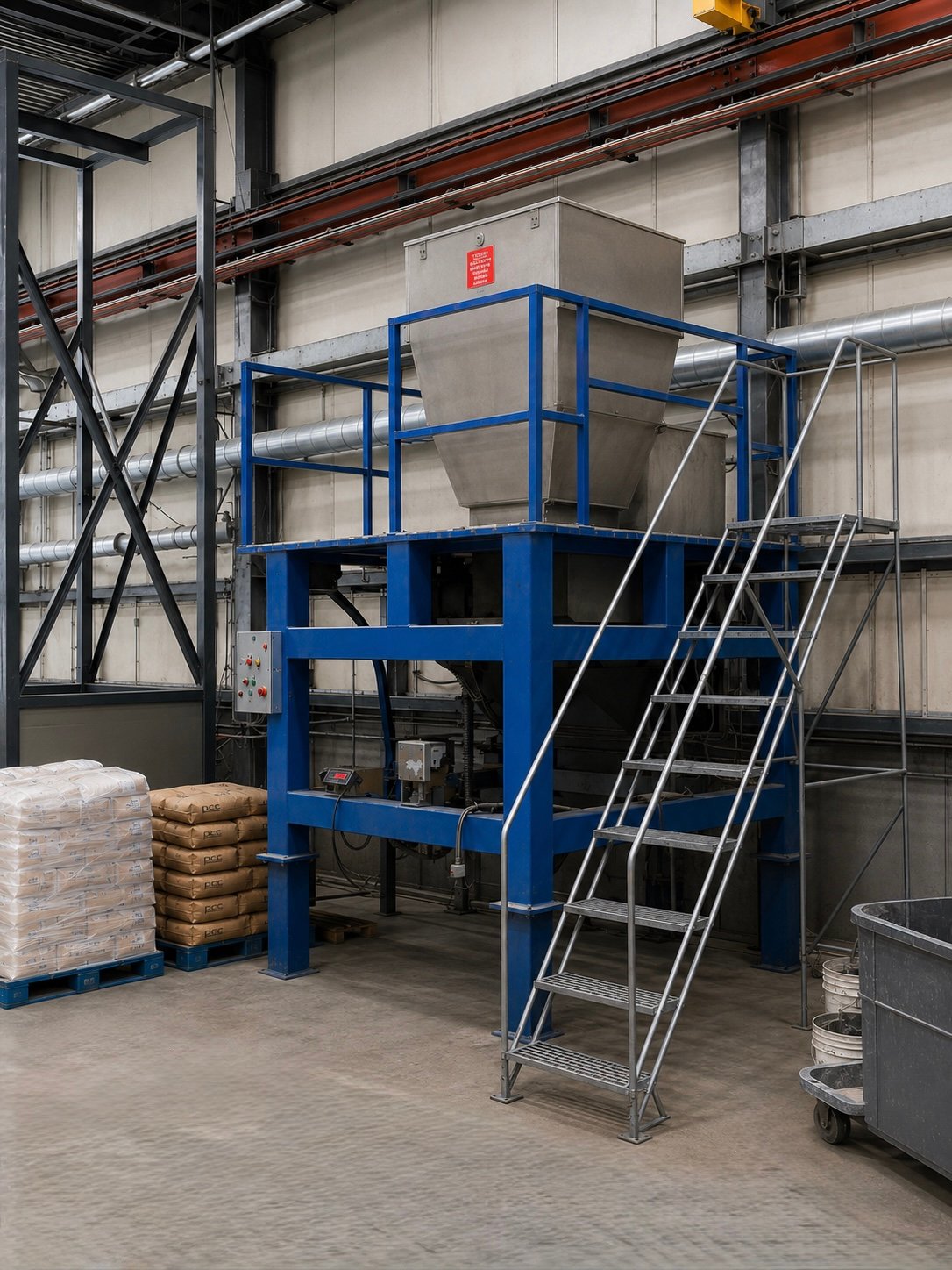
Deagglomeration, or delumping, converts clumped, caked, or hardened material back to a free-flowing powder — often within its existing packaging, with no unpacking required. Powders agglomerate during storage and transit all the time; rather than scrapping the material, deagglomeration restores its particle size and flowability so it can be blended, screened, or repackaged.
Jet milling & grinding
Jet milling and grinding reduces particle size with precision — jet milling for ultra-fine particles, cryogenic grinding for heat-sensitive or elastic materials, and standard grinding for general size reduction. Particle size drives performance in coatings, additives, and battery materials, so this is a high-value capability that few manufacturers own outright.
Compounding
Compounding creates custom formulations and multi-component blends to a defined specification. It's a step up from straightforward blending, combining multiple chemistries into a single, finished product built to your recipe.
Bulk truck & rail operations
Bulk truck and rail operations cover loading, unloading, and transloading at a silo-equipped facility. Bulk handling connects rail and truck logistics to the processing line, so large volumes move efficiently without bottlenecks.
Private labeling
Private labeling finishes and packages product under your brand. Your product, your branding, our facility — useful for distributors and manufacturers extending a line without adding packaging capacity.
Industries that rely on toll processing
Toll processing serves any sector that handles powders, liquids, and bulk chemicals. That includes specialty chemicals, chemical distribution, coatings/adhesives/sealants (CASE), plastics and rubber additives, pigments and carbon blacks, flame retardants, agricultural chemicals, environmental remediation, construction chemicals, water treatment, and battery materials. Each has its own handling, safety, and quality requirements — see the full list on our industries page. The best toll partners bring material-specific know-how, not just equipment.
Toll processing vs. contract manufacturing vs. co-packing
These terms overlap, but the distinction comes down to who supplies what:
- Toll processing: You supply the raw material and formula; the processor supplies the service.
- Contract manufacturing: The manufacturer sources the raw materials and makes the finished product, often start to finish.
- Co-packing (contract packaging): The focus is on packaging and filling a finished product, rather than transforming it.
Many real-world projects blend these models — for example, a toll blend followed by private-label packaging. The right structure depends on how much of the process you want to keep in-house.
How to choose a chemical toll processing partner
Equipment is table stakes; the differences between processors show up in execution. When you evaluate a partner, look at:
- Range of capability. A single facility that can screen, mill, blend, and repackage means fewer hand-offs, less freight, and less contamination risk.
- Scale flexibility. Can they handle both a small precision batch and a full bulk campaign? You don't want a different vendor for every order size.
- Turnaround and responsiveness. Ask about standard lead times and rush options — and whether quotes come back same-day or in two weeks.
- Quality and traceability. Lot control, documentation, and consistent QC protect your product and your customers.
- Material expertise. Experience with your specific chemistry — abrasive, hygroscopic, hazardous, or sensitive — separates a true partner from a job shop.
Our guide on choosing the right packaging partner breaks these criteria down further.
Why work with U.S. Chemical Services
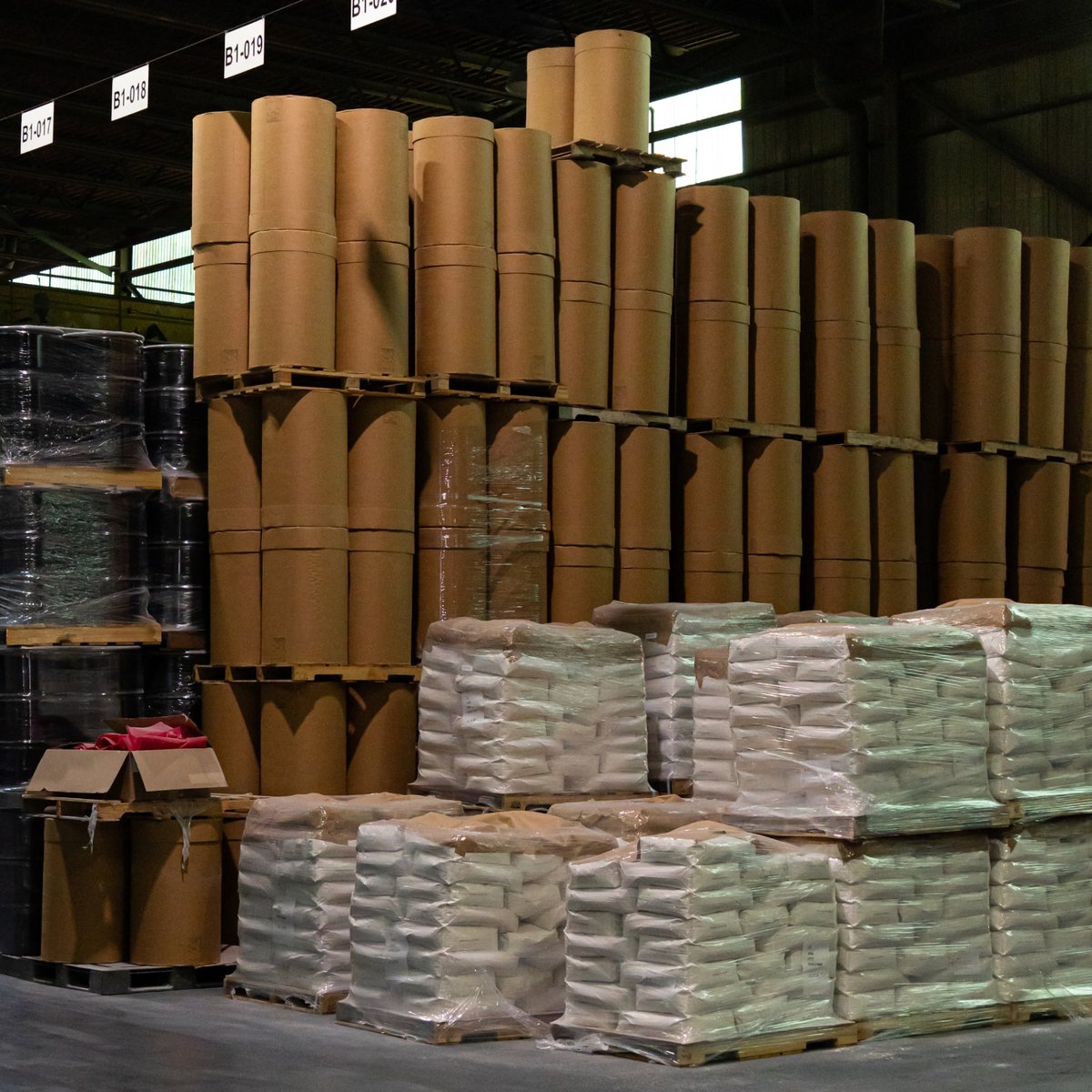
U.S. Chemical Services is a full-service chemical toll processing and packaging partner based in Elyria, Ohio. We bring:
- 100+ years of combined chemical industry experience across our leadership team.
- A 100,000+ sq ft processing facility equipped for everything from gram-scale precision work to 40,000 lb bulk loads.
- 3–5 day standard turnaround, with rush options available and same-day quotes.
- End-to-end capability — screening, milling, blending, deagglomeration, repackaging, and private labeling under one roof.
- A track record of recovering difficult material — see our case studies on contamination remediation and bulk deagglomeration.
We do what we say we're going to do. Plain and simple. Request a quote to talk through your next project.
Frequently asked questions
What is the difference between toll processing and contract manufacturing?
In toll processing, you supply the raw materials and formula and pay a fee for a specific service. In contract manufacturing, the manufacturer usually sources the materials and produces the finished product. Toll processing gives you more control over your inputs and intellectual property.
What materials can be toll processed?
A wide range of dry powders, liquids, and bulk chemicals — including specialty chemicals, pigments, additives, flame retardants, agricultural chemicals, and battery materials. The right processor will have experience with your specific chemistry and handling requirements.
How fast is toll processing?
At U.S. Chemical Services, standard turnaround is 3–5 days with rush options available, and most projects start within 48 hours of receiving materials. Timing depends on the service and batch size.
Can a toll processor fix clumped or contaminated material?
Yes. Deagglomeration restores clumped or caked powder to a free-flowing state, and screening and sortation remove contaminants — often recovering material that would otherwise be written off.
What batch sizes can be handled?
From small precision batches measured to a tenth of a gram up to 40,000 lb bulk loads. A full-service facility can scale up or down without changing vendors.
Need help with your chemical processing project?
Talk to our team today. Most projects start within 48 hours of receiving materials.
Related Articles
How Chemical Toll Manufacturing Is Priced: Understanding Toll Fees
Toll manufacturing pricing can look opaque at first. Here is what actually drives a toll fee and how to compare quotes fairly.
Industry InsightsContract Packaging vs. Private Labeling for Chemicals: What Is the Difference?
Contract packaging and private labeling overlap but are not the same. Here is what each covers and when you need which.